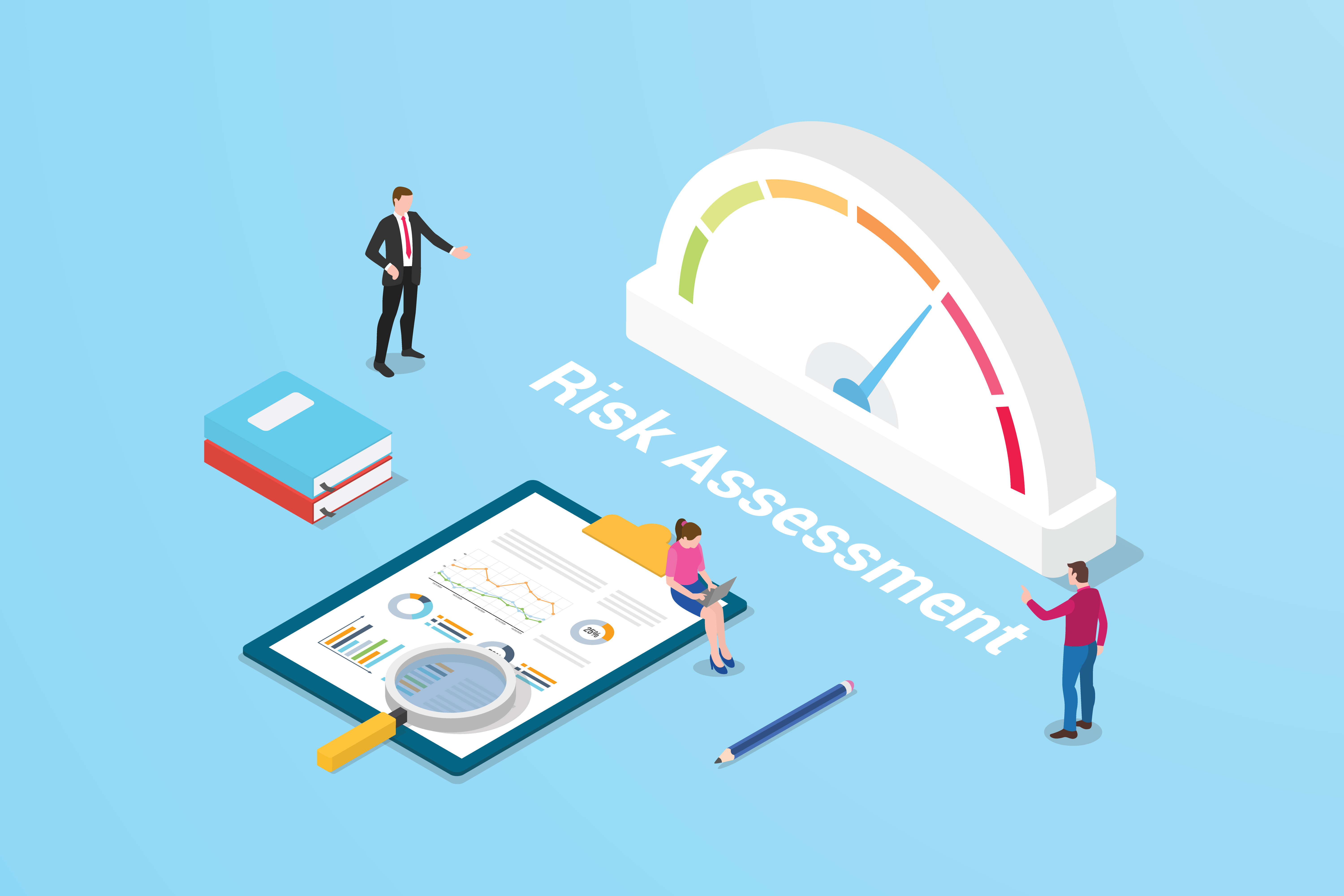
Principles of Risk Assessment focuses on identifying workplace hazards, evaluating risks, and implementing effective control measures to prevent accidents, injuries, and occupational illnesses. This course builds a strong foundation in systematic risk assessment methods aligned with national and international safety standards.
Participants will gain practical knowledge to assess risks proactively and create safer working environments across industries.
Understand the fundamentals of risk assessment
Identify hazards in workplace activities
Evaluate risk levels and potential consequences
Apply control measures using recognized safety principles
Ensure legal compliance and safety best practices
Recognizing physical, chemical, biological, ergonomic, and psychosocial hazards
Identifying unsafe acts and unsafe conditions
Assessing likelihood and severity of harm
Understanding risk rating and prioritization
Applying the Hierarchy of Controls:
Elimination
Substitution
Engineering Controls
Administrative Controls
Personal Protective Equipment (PPE)
Risk assessment records
Method statements and safety plans
Legal documentation requirements
Periodic review of risk assessments
Updating assessments after changes or incidents
Continuous improvement
Introduction to risk assessment
Types of workplace hazards
Risk assessment methodologies
Job Safety Analysis (JSA)
HAZID and basic HAZOP concepts
Permit-to-Work systems
Risk assessment for routine and non-routine activities
Workplace hazard identification exercises
Risk matrix and scoring practice
Case studies and real-time examples
Group discussions and assessments
Safety officers and supervisors
Engineers and managers
Contractors and site in-charges
HSE professionals and students
Certificate in Principles of Risk Assessment issued by IIFSE
Reduced accidents and incidents
Improved workplace safety culture
Better compliance with safety laws
Enhanced decision-making skills