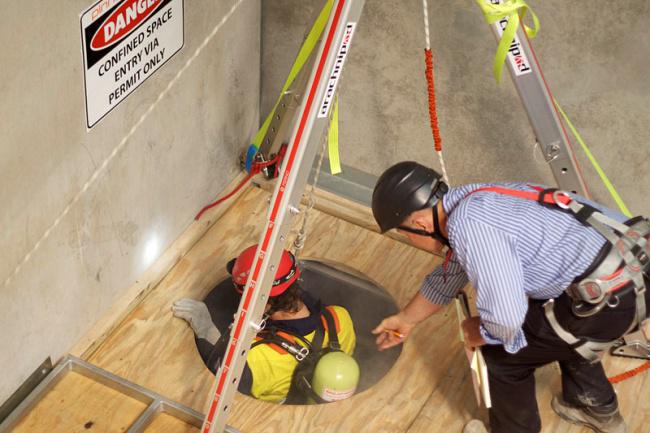
Confined Space Training is designed to educate workers, supervisors, and safety professionals on identifying, assessing, and safely working in confined spaces. These spaces present serious hazards such as oxygen deficiency, toxic gases, fire, explosion, and restricted movement. This training ensures compliance with safety regulations and helps prevent fatal accidents during confined space operations.
The program combines theoretical knowledge and practical safety procedures to ensure participants can work confidently and safely in confined environments.
Identify confined spaces and associated hazards
Understand legal requirements and safety standards
Learn safe entry and exit procedures
Prevent accidents, injuries, and fatalities
Develop emergency response and rescue readiness
Definition and classification of confined spaces
Examples: tanks, silos, pits, sewers, tunnels, boilers
Confined vs enclosed spaces
Oxygen deficiency and enrichment
Toxic and flammable gases
Physical, mechanical, and engulfment hazards
Heat stress and poor visibility
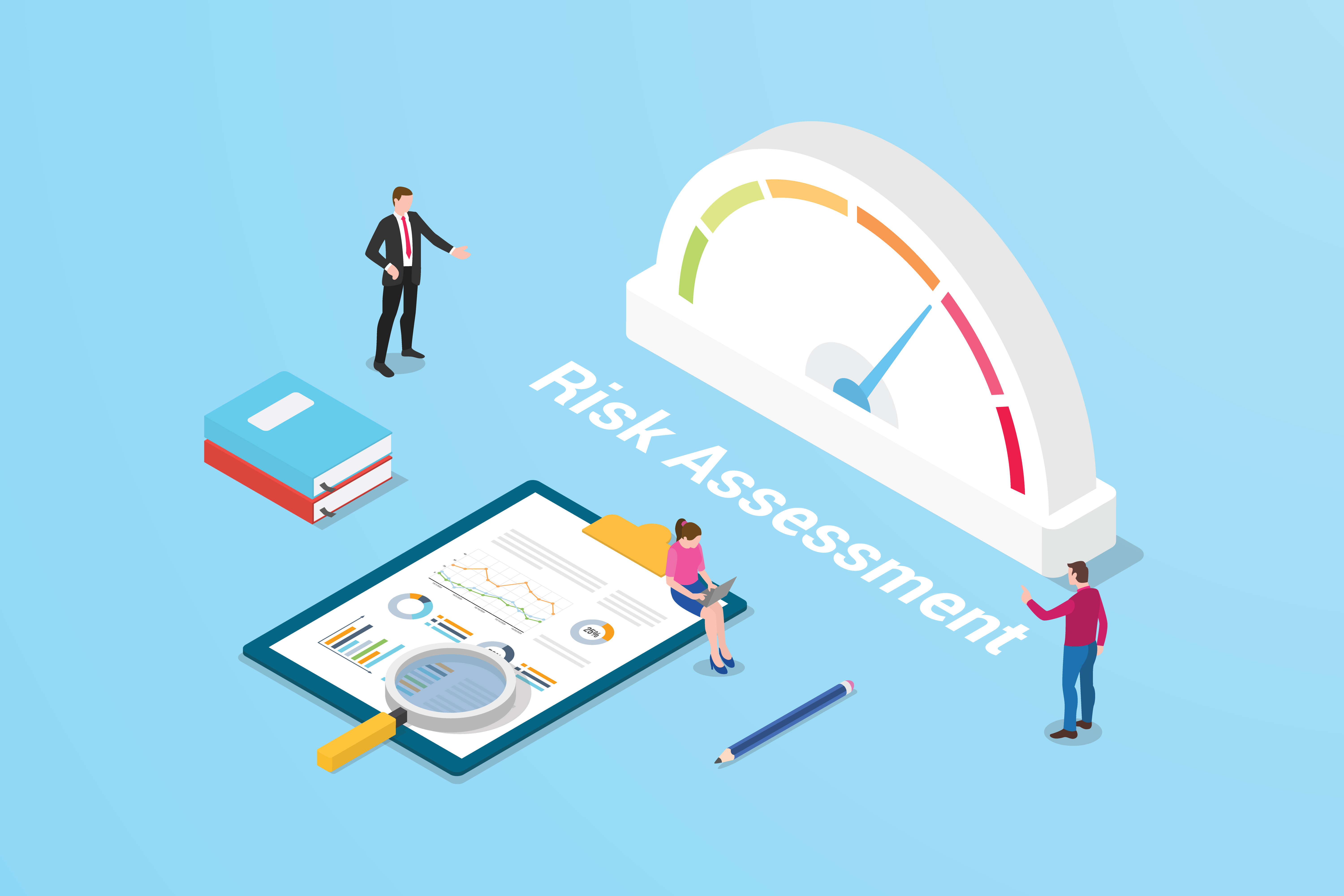
Confined space risk assessment
Permit-to-work system
Roles and responsibilities (entrant, attendant, supervisor)
Atmospheric testing procedures
Oxygen, combustible, and toxic gas limits
Use of gas detectors and monitoring equipment
Ventilation methods
Lockout / Tagout (LOTO)
Isolation and energy control
Safe tools and lighting
Respiratory protection
Safety harness and lifelines
Protective clothing and gloves
Entry and exit procedures
Communication systems
Continuous monitoring
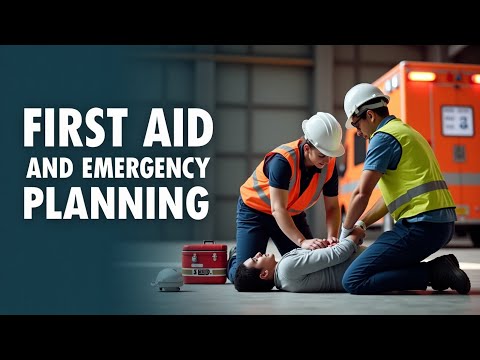
Confined space emergency planning
Non-entry and entry rescue techniques
First aid and emergency evacuation
Permit preparation exercises
Gas detector demonstration
Rescue equipment usage
Mock confined space entry drills
Industrial workers and technicians
Maintenance staff
Safety officers and supervisors
Contractors and site engineers
Confined Space Training Certificate issued by IIFSE
Reduced confined space accidents
Improved regulatory compliance
Enhanced worker confidence and safety awareness
Strong emergency preparedness